Selling something that doesn’t exist yet is hard. A floor plan doesn’t excite anyone, and asking a client to “imagine” how their home will turn out is asking too much. That’s why a development’s pre-sale lives or dies by how it looks before it’s built.
A photorealistic visualization solves exactly that: it shows the finished project, with real light, materials and atmosphere, so the client sees it as if they were already there.
What exactly a photorealistic render is
It’s an image (or video) created from the architectural project that looks like a photograph. Done well, the client can’t tell whether it’s real or not. You can use it for:
- Facades and exteriors, as the cover of the pre-sale.
- Interiors, to show finishes and how the space is lived in.
- Before and after, when an existing property is being remodeled.
- Video walkthroughs, for ads and social media.
Why it helps you sell
- It builds trust. A well-presented project signals that there’s a serious team behind it.
- It speeds up the decision. The client quickly understands what they’re buying.
- It gives you material for ads. Images and walkthroughs perform very well on Meta and TikTok, where visual impact is everything.
- It lets you sell in phases. You can launch the pre-sale while construction moves forward.
An example: before and after
This is one of my photorealistic mockups on a real interior. Drag the line to compare how the space looked and how it looks with the proposal:
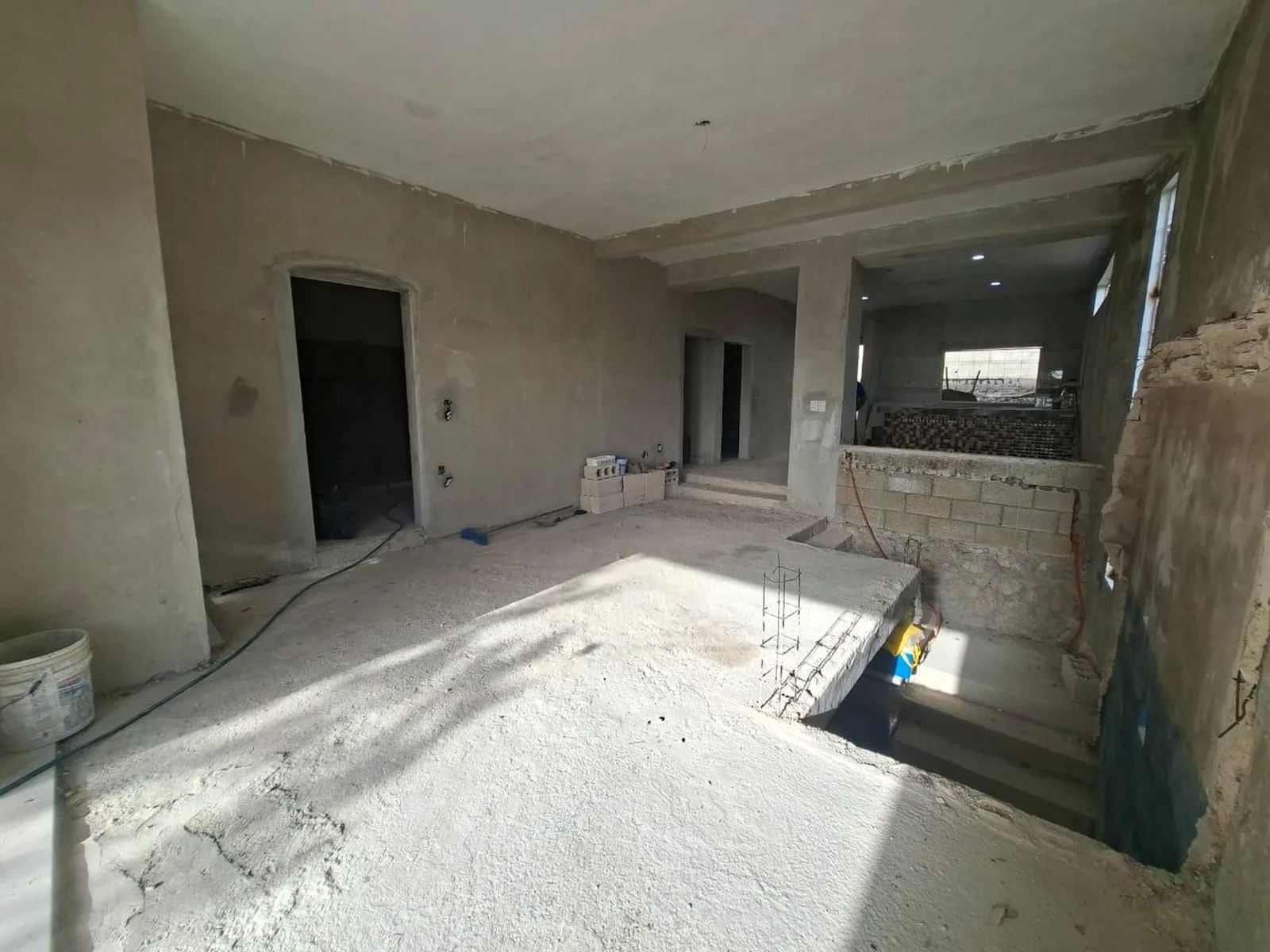
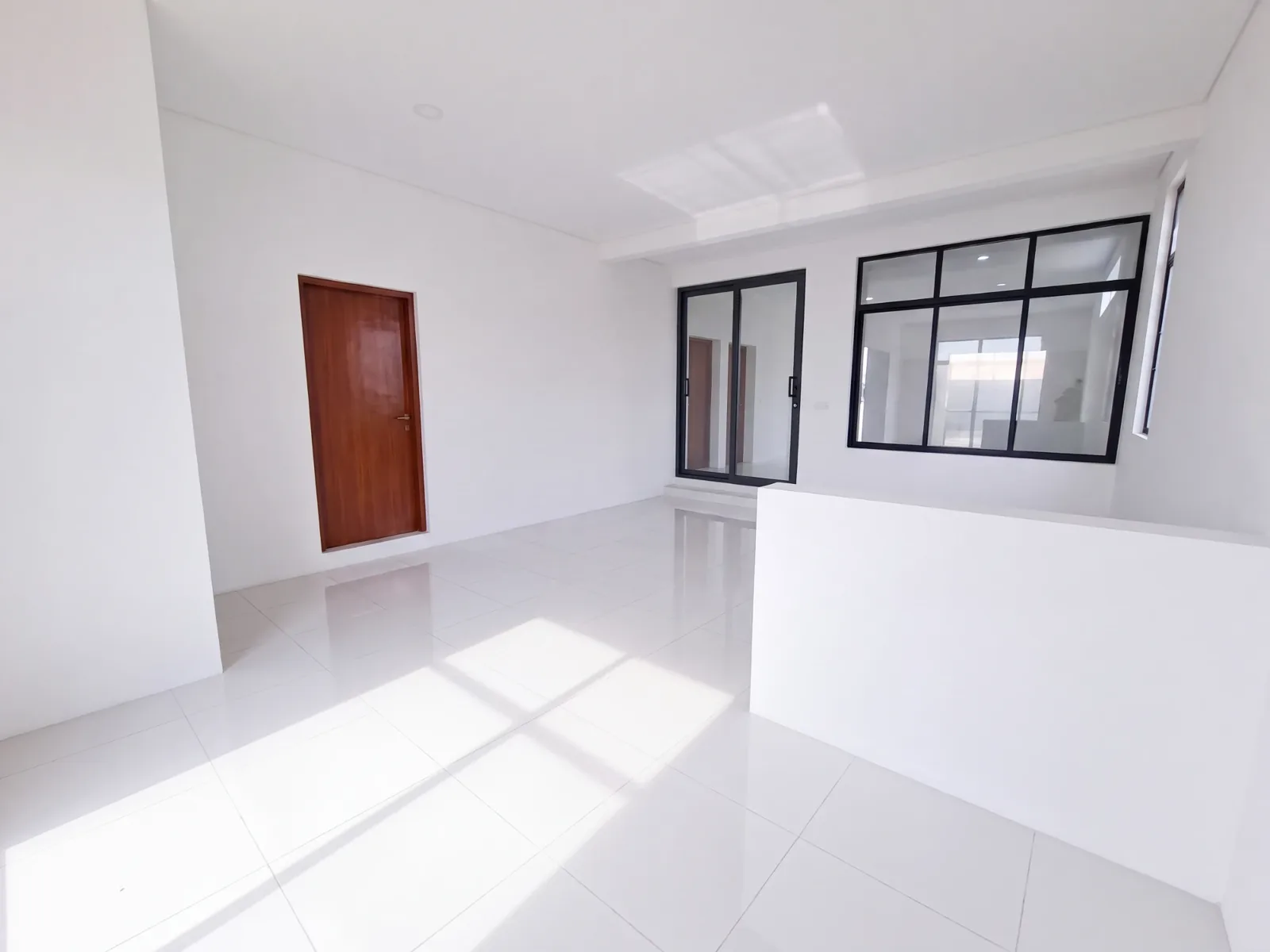 BeforeAfter
What you need to make a render
- The plans or the project’s 3D model.
- The palette of materials and finishes (or references for what you’re looking for).
- Photos of the lot or the property, if it already exists.
- How you’ll use it: ads, brochure, website or video walkthrough.
If you don’t have everything defined yet, we can also work from references and propose finishes.
Why it sparks the desire to buy
More than an asset for ads, a realistic render or mockup helps the client picture in concrete terms what they’re going to buy. They no longer have to imagine how their home, their storefront or the product being offered will turn out: they’re seeing it.
That clarity changes the conversation. When someone sees themselves in the finished space, they stop comparing only square meters and prices and start wanting it. And that desire is exactly what pushes them to take the next step.
Is it worth it for your project?
If you’re going to sell in pre-sale, remodel to resell or present a project to investors, almost always yes. The difference between a presentation with renders and one with floor plans shows in the very first conversation with the client.
Tell me about your project and I’ll tell you what kind of visualization makes sense for you.